7 Gambas Crescent, #09-09, Ark@Gambas, Singapore 757087 ♦ Reservation : +65 6417 9690

C-Section: What to Expect & Recovery Tips
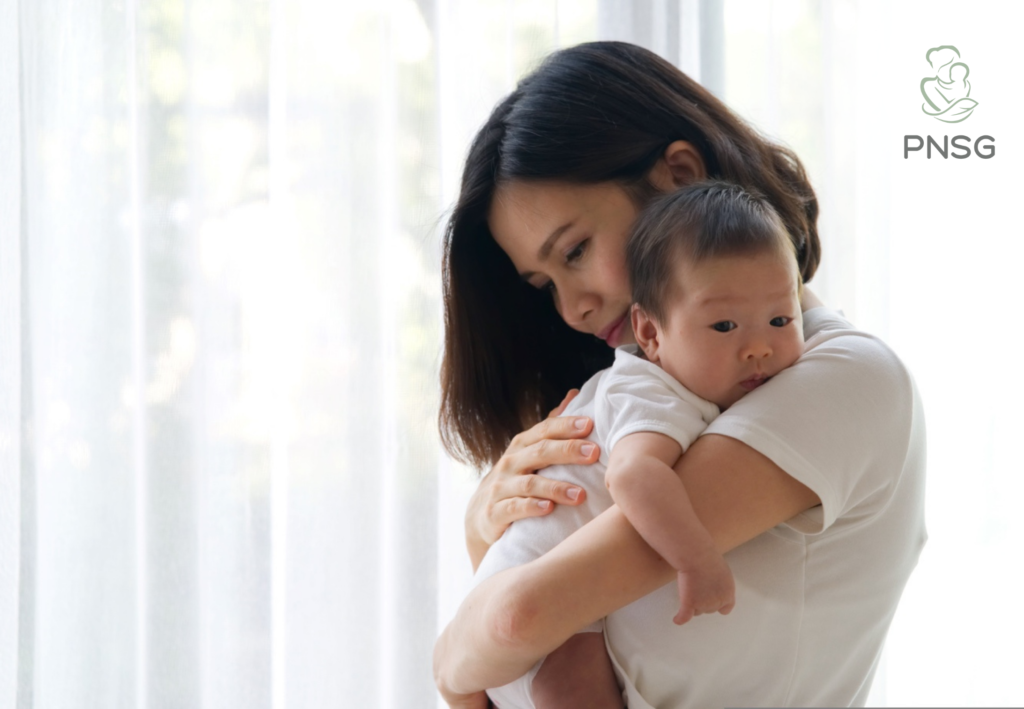
A Caesarean section, or C-section, is a surgical procedure where an incision is made to a woman’s abdominal wall and uterus to deliver her baby or babies. Now, the reason why there are C-section deliveries is extremely personal. It could be planned or unplanned. And undergoing a C-section can be taxing on the body, especially because the recovery process takes longer than if one were to have had a vaginal birth.
Reasons for an Unplanned C-section
You may have been planning for a vaginal birth. But pregnancy is quite a volatile journey, and anything can happen, sometimes unexpectedly. Here are reasons why a vaginal birth may not be an option, and a C-section may be the next best direction.
i. Labour is not moving along. The cervix may be opening too slowly or not at all, and the contractions are not strong enough.
ii. Baby is showing signs of distress. This is indicative of the baby’s health being compromised. Insisting on giving birth naturally and prolonged waiting may prove fatal for the baby.
iii. Baby’s head does not go down.
iv. Mother’s health issues include high blood pressure, heart problems, or brain conditions.
Even if everything is set to go and your doctor’s positive about your delivery happening through vaginal delivery, there’s no harm in learning about what comes with C-sections and being prepared in an unforeseen emergency.
Reasons for a planned C-section
C-sections are not always a last-minute decision. It could be a decision you made after discussing it with your doctor and family when nearing your due date. Among the reasons for the decision could be:-
i. Baby is facing the wrong direction – bottom or feet first, or lying sideways – making vaginal birth extremely complex, and the doctor cannot turn the baby.
ii. Placenta previa, where the placenta blocks the cervix.
iii. Mother had a C-section previously.
iv. Having three or more babies.
While these are common reasons one may opt for a C-section, the mother and baby’s conditions play a big role in whether or not a C-section is necessary as it is case-by-case, and circumstances could still allow for either type of birth.
What to Expect:-
Before a C-Section
Preparing yourself and your body before the surgery would be step one. You may need to shower in antiseptic soap before your surgery, and you should not shave your stomach or pubic area to prevent infections. Leave this to the nurse instead.
You will be put on an intravenous (IV) drip at the hospital to prevent dehydration, as you cannot eat or drink at least 6 to 8 hours before the surgery. A catheter will be placed in your bladder to collect urine, and your abdomen will be cleansed pre-surgery.
Right before the surgery begins, you will be administered an anaesthetic, usually regional with either spinal anaesthetic or epidural anaesthetic, and you will be awake throughout the entire surgery. Should the need arise in an emergency, a general anaesthetic will be given, and you will not be conscious during the surgery.
During a C-Section
The surgery would take at least 30 minutes, differing with each individual. Your doctor would first make an incision in your abdomen and uterus, roughly 10 centimetres, and lift your baby out through the cut, sometimes with forceps. After checking your baby, the nurse or doctor will hand him or her to you for skin-to-skin contact. Then, the umbilical cord will be cut, and the placenta will be removed.
You might receive an injection to minimise bleeding and contract your uterus, as well as antibiotics to reduce the risk of infection. Finally, the incision will be stitched with sutures, and your wound will be covered in dressing.
After a C-Section
You will be wheeled to the recovery room, where you will most likely stay for a few days. As the anaesthetic wears off, you will be encouraged to drink lots of fluids and also prompted to walk around. This will help with preventing blood clots, swelling, and constipation.
The next step would be breastfeeding, which is advised to be done as soon as possible. The earlier you start nursing, the easier it is for the mother and baby. Your nurse will teach you how to do it if you are a first-time mum.
Tips for Recovery
Once you have left the hospital, it is time to focus on your confinement. Postpartum care in Singapore is extremely crucial to your recovery in the long term. The most important thing to do during this period is to rest as much as possible. Here are some ways for faster recovery!
1) Your body needs a good massage
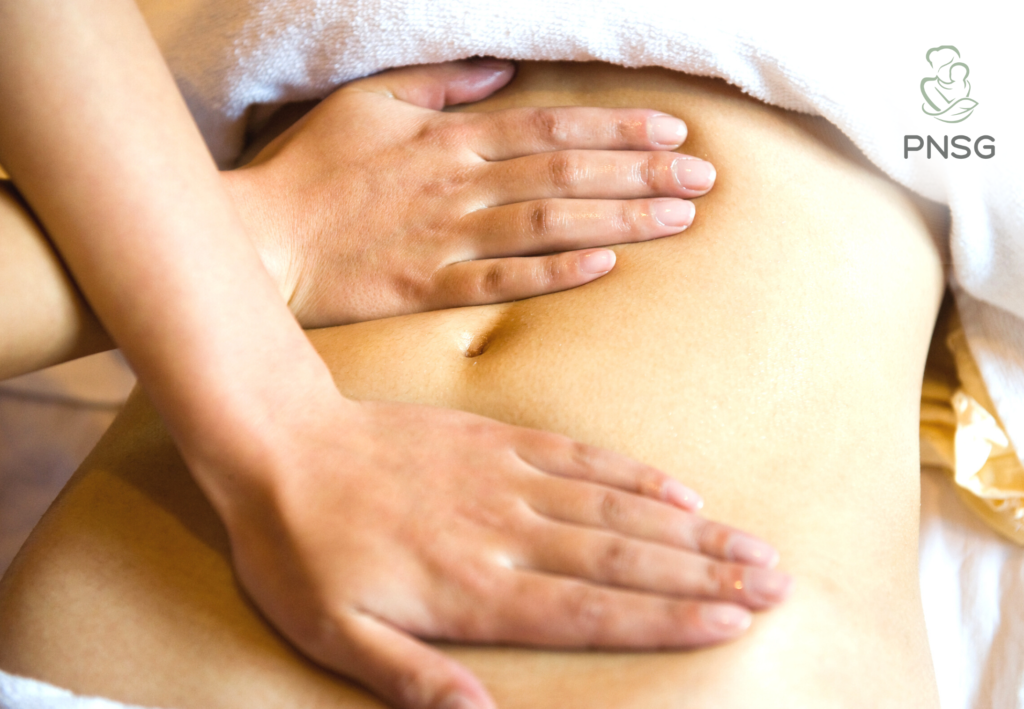
Taking extra care of your body is necessary, especially after having a C-section. The most effortless thing you can do for self-care is a massage. It’s the simplest and best way to help your body recover quickly.
You just need the right oil in an appropriate amount, and you can do it yourself. Call someone for help or hire a nanny if you are too tired.
If you don’t like to take risks and want a sure method to recover through massaging, look for the best service provider in town. After all, a professional is always better at what he does than a beginner.
2) Enough Rest
Rest is much needed to recover from any surgical operation.
However, it can be difficult for new mothers to rest properly at home, especially if they are not getting much help from other people. Bear in mind that your newborn will sleep for 1 to 2 hours at a time, so you have to manage time for yourself to take enough rest.
You can sleep when your baby sleeps, or you can ask for some help from your parents to take plenty of rest. You can get help with diaper changes and other housework to have time for yourself.
After handling your baby, a few minutes of rest can help to heal your body. If you are considering other forms of help, you can try womb massage therapy for fast recovery once your body is ready for a massage.
3) Use Pain Relievers
You can take a pain reliever to reduce your pain. Also, you must ask your doctor before using any pain reliever medicines.
However, if you are breastfeeding, you must ask your doctor before taking a pain reliever. According to your discomfort, the doctor will prescribe a pain reliever.
4) Eat Nutritious food
Good nutrition is essential for your body after the C-section. However, if you are breastfeeding, then it’s your baby’s primary food; hence, you have to eat the right and healthy food for you and your baby.
Eating different types of food will provide all the right nutrients. Besides that, you have to take plenty of water to avoid constipation.
When you’re well enough for it, you may get a massage after childbirth. A massage after normal delivery could be as early as 5 to 7 days after childbirth. However, if you had a C-section, waiting at least 21 days before you get your first massage is recommended.
What a massage can do for you is immense. A womb massage helps with the dropping uterus and haemorrhaging. It can also aid your womb with its natural cleansing process in getting rid of blood or discharge (lochia) after delivery. As for postpartum massage, it helps to relieve water retention, promotes better sleep, and improves lactation, among other things. So, not only is it good for you, it benefits your baby too!
With PNSG, you don’t have to worry about postpartum care in Singapore, which relates to massages after childbirth. Everything you need with a massage, PNSG has up for offer. Not only do they offer postnatal massage services, but we also offer prenatal massages and slimming and relaxation massages. You don’t have to wait until after childbirth for a massage. Whether during pregnancy or even when you’re not pregnant and just want some form of relaxation, getting a massage can improve your life and health. And once you start with PNSG, we will be your go-to massage service. Learn more about our massage packages today!