7 Gambas Crescent, #09-09, Ark@Gambas, Singapore 757087 ♦ Reservation : +65 6417 9690

How to Celebrate Breastfeeding Week in Singapore?

Breastfeeding Week is just around the corner! Did you have anything planned for it? Okay, we could hear you mutter, “Breastfeed as usual…” under your breath. And that’s fine and awesome too! Breastfeeding itself is hard work, so celebrate it – or don’t – how you want to.
Regardless, if you feel like stepping it up and need some ideas of what you can do during this meaningful week, we’ve got you covered!
Why is World Breastfeeding Week (WBW) celebrated?
This week is all about breastfeeding! It was started to spread awareness of the importance of breastfeeding, highlight it as the primary infant nutrition and its health benefits on breastfeeding mothers and breastfed babies, as well as promote public support towards the breastfeeding community.
This is when you can be exposed to various breastfeeding help and support you could get from those within the same community or outside. If you are able to, you can also offer your own advice or support to other breastfeeding pals.
Why you are encouraged to breastfeed:
Breast milk is liquid gold. What it can do for your child is almost magical! Experts recommend breastfeeding for approximately the first 6 months of an infant’s life, so much so that breast milk is good enough to be their main source of nutrition during that period. It contains hormones and antibodies that work to protect your little one and fight infection and promote good health in general.
And that’s not all – mommies reap the benefits of breastfeeding too, and there’s abundant of them! Did you know that breastfeeding can help in speeding up your postpartum recovery? Apart from stimulating uterus contraction (to return to its pre-pregnancy size and position), it also helps reduce bleeding and infection.
Studies have also shown that breastfeeding can reduce the risk of heart disease, breast and ovarian cancer, type 2 diabetes, arthritis, and high blood pressure.
On top of all those, breastfeeding will also naturally help you lose the baby’s weight! It can burn up to 500 calories – which, to look at it from the other more positive perspective, means you’d also get to eat more calories in a day to maintain your energy. Whether you’re a breastfeeding mom or just want to show your support for breastfeeding, here are eight ways to celebrate WBW in Singapore.
1. Participate in the Virtual Singapore Big Latch On
Through this event, moms in Singapore would come together to set a new record for the highest number of mothers simultaneously breastfeeding or pumping gathered together in a single event. This year, it will be held on 8th August 2021 at 9.30 AM; you can easily join this virtually as well. Don’t forget to remind your fellow breastfeeding mamas too! Some of the highlights of this event include a nutrition talk, a panel discussion, as well as a fun breastfeeding quiz. If you don’t have any plans for this day, now you do!
2. Thank & Congratulate a Nursing Mom (Or Two!)
Know any nursing moms? This is the best time to leave sweet ‘thank you’ and ‘congratulations’ wishes for doing such a great job providing for their little one. Whether exclusively or partially breastfeeding, all mothers deserve recognition, as breastfeeding has never been easy.
If you come across some breastfeeding-related posts from your nursing pals while scrolling through your social media homepages, leave some warm, thoughtful comments there too. Better yet, if you were once a breastfed baby, ring your mom and express your thank you to them!
3. Find Time to Rejuvenate & Refresh
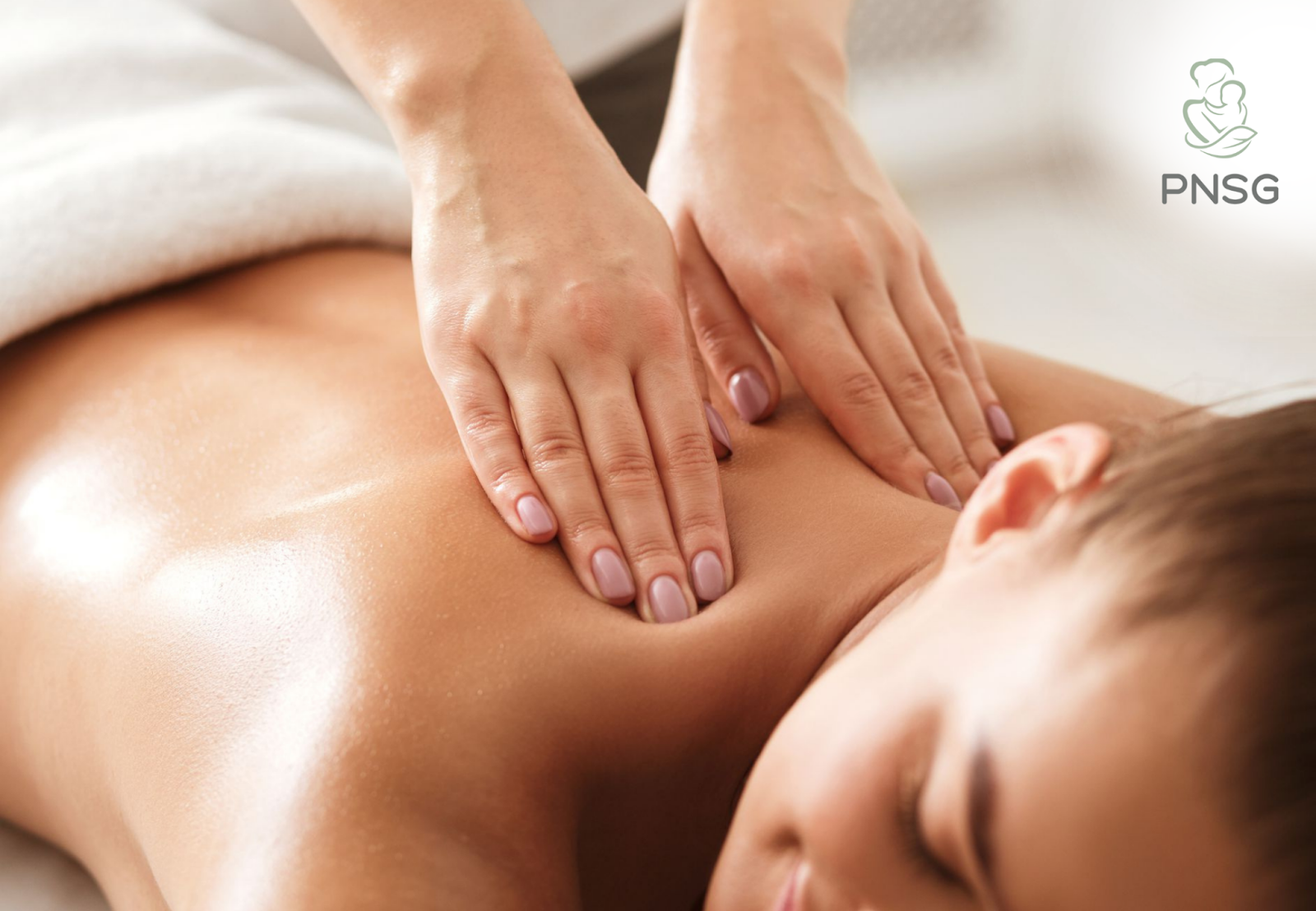
Breastfeeding can be overwhelming at times. Doing it every day and at every chance there is can easily make you feel like a ‘milk machine’. Naturally, this can be both physically and emotionally taxing. A happy mother makes a happy baby. Hence, if you care about your little one, you should prioritise caring for yourself.
Put some time aside now and then to allow yourself to enjoy the break you deserve. If the online world feels unbearable, unplug from social media and turn off your devices. Go out for some fresh air and enjoy the nature around. Even better, arrange some ‘me’ time or self-care time so you can feel refreshed and rejuvenated after. Look for the common methods of postnatal care Singapore moms usually opt for.
At PNSG, we make it our mission to assist a mother at any maternity stage to create a comfortable journey. Our Postnatal Massage includes the lactation massage that stimulates smooth milk flow and production and prevents engorgement by unclogging milk ducts. Leave all your worries and concerns to the loving hands of our certified massage therapist, and enjoy spa-like relaxation in the comfort of your home.
4. Find the Right Bra Fit
Believe it or not, a huge percentage of women wear bras that do not fit properly! It could be either a mistake from the get-go or simply the fact that our breasts can change over time – especially during breastfeeding.
Wearing the right bra can make a huge difference. You will feel a lot more comfortable (due to reduced backache and neck pain), which could help maintain a good posture. So, if you need a new fit, what better time to get yourself measured up than during WBW?
5. Join a Local Breastfeeding Class or Support Group
Sharing is caring, isn’t it? The same goes for sharing your own stories regarding nursing your little one. Many other young, first-time or to-be moms would appreciate being able to read up on other experienced moms’ stories and be more informed of what’s to come. WBW is a good time to look into local classes or groups where you can get help and support or be the one to contribute.
New moms would usually need guidance on getting babies to latch on properly or promoting milk production effectively. Even if you no longer wonder about these, remember that you were once in a to-be breastfeeding mom’s shoes, so you’d know a thing or two about the kind of worries and concerns they’d have. Why not offer a helping hand to them, just like you wish you had gotten before?
What are the common 5 signs of breastfeeding problems, and how to tackle them?
1) Sore or Cracked Nipples
Possibly one of the toughest of them all to go through, sore nipples can occur due to several reasons. First, if your baby is not in the right position during breastfeeding, it can cause them not to be properly attached, leading to soreness.
What you can do:
If this is the case for you, try to learn and get into a position that feels comfortable for you immediately. Don’t try to endure just because it feels bearable at first. You can try various positions, such as football hold, cross-cradle position, and reclined position. Your comfort is as important as ensuring proper latching for your baby.
2) Not Producing Enough Breast Milk
Now this is a common one among new and experienced mothers, but the good news is many methods could work for you. But how do you know your baby is getting enough milk from you? Look for the signs.
If your baby receives enough milk, they will:
- Start the feed with a few rapid sucks followed by long, rhythmic sucks
- Have occasional pauses
- Have rounded cheeks when sucking (rather than hollow)
- Be in calm and relaxed behaviour when fed
- Release breasts on their own after feeds
- Have a moist mouth after fed
- Look satisfied after fed
On the other hand, your breasts will feel softer after breastfeeding, whereas your nipples should look pretty much the same. Due to the used-up energy to produce milk, you might feel slightly sleepy and relaxed after breastfeeding your little one.
What you can do:
Pump your breasts to continue stimulating breast milk production even when you are not breastfeeding. Breastfeeding massage therapy is another effective way to help promote milk production and flow. Use a manual milk collector to massage your breast regularly when breastfeeding. Offer your baby both breasts during feeds and massage or pump the side not feeding at that time.
You can also include more lactogenic or milk-boosting into your daily meals. Believe it or not, some of them are relatively easy to find! Studies have shown that even ingredients like ginger, garlic, and fennel can help boost milk production.
3) Breast Engorgement
When your breasts are too full of milk, feel hardened, tight, and hot, and may come with a slight burning sensation, that’s engorgement.
What you can do:
Getting a breast or lactation massage is certainly one recommended way to go about it. Massage if you need help with the proper techniques to perform the massage, go to an expert or professional massage therapist who is certified and trained to do it.
Using cabbage leaves is another method many mothers recommend, although the effectiveness differs from one mother to another. Apply chilled cabbage leaves onto your engorged breasts for a maximum of only twice per day.
4) Baby Is Not Latching on Properly
This is another common problem, especially among inexperienced new mothers. Again, you have to identify the signs that your baby is well-latched.
If your baby is well-fed;
- They will show a wide mouth and take a mouthful of the breast during feeds.
- Their chin should touch your breast with their lower lip rolled down.
- Their nose is not squashed against your breast.
- You should not feel any pain in your breast or nipple during feeds (the first few suckles may feel stronger, but the subsequent ones should feel better.
- You can see more of your areola above your baby’s top lip than under their lower lip.
Not what you are experiencing? Then your baby may not have been properly latching on to your breast.
What you can do:
Practise proper latching as such;
- Hold your breast with four fingers at the bottom and the thumb on top, away from the areola.
- Let your baby open their mouth wide by letting your nipple touch their lips.
- Ensure your baby’s chin touches your breast, covering as much of the areola as possible.
- Make sure your baby’s lips are completely turned out around your areola.
- Ensure your baby’s nose is not against your breast, and they can breathe easily.
5) Blocked Milk Ducts
If not treated early on, issues like engorgement can result in bigger issues like blocked milk ducts, which can feel like small, tender lumps in your breasts. Blocked ducts, of course, negatively affect the milk supply for your little one, so you would want to stay away from this problem.
What you can do:
You can try applying hot and cold compression at different times. Take a warm shower and massage while you are under the shower. As always, massaging around your breasts can also help unclog blocked milk ducts. If breast engorgement continues, it can lead to a blocked milk duct. You may feel a small, tender lump in your breast. Frequent feeding from the affected breast may help. If possible, position your baby with its chin pointing towards the lump so it can feed on that part of the breast.
There are first-time mothers everywhere who may not know what to expect. What helped you? What kind of support or postpartum care Singapore services did you seek? There’s always a way to be helpful to one another. And if you are not in a place to provide help for others, providing help for yourself is more than enough. Breastfeeding is not easy. Give yourself a much-deserving break; if you need help, PNSG is always ready to be at your service! Check out our postnatal and pregnancy massage packages to find the best treatment for recovery and recuperation.