7 Gambas Crescent, #09-09, Ark@Gambas, Singapore 757087 ♦ Reservation : +65 6417 9690

6 Key Techniques Used in Post-Pregnancy Massage
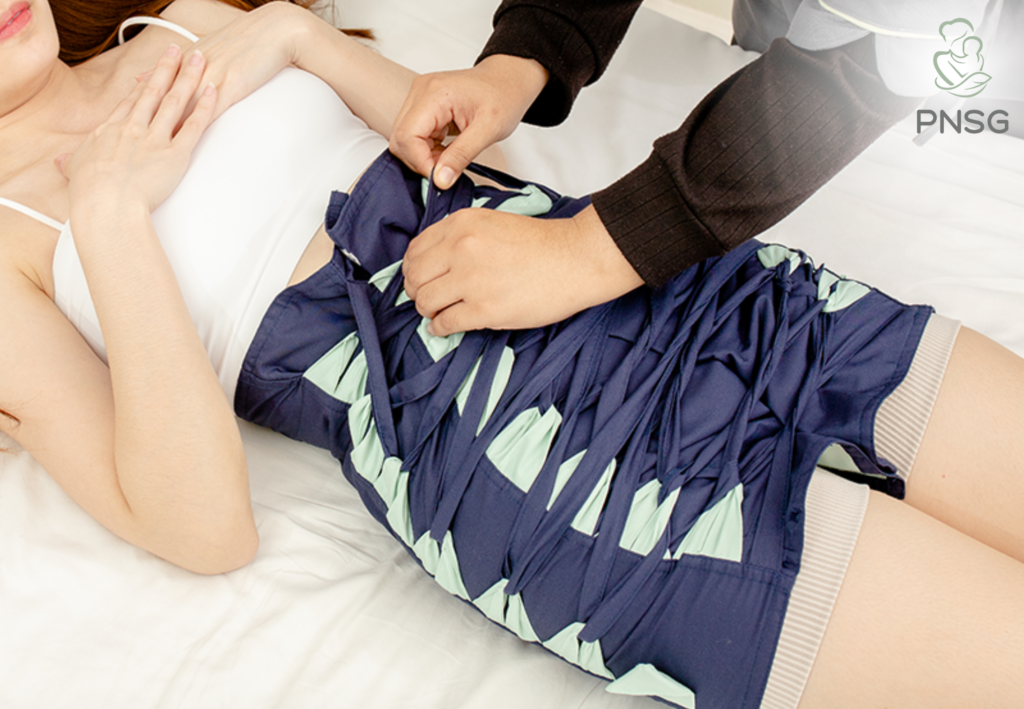
Welcoming a baby is a great joy but also brings some physical challenges for mums. That’s why taking good care of yourself after the baby is born is so important. A post-pregnancy massage is one of the most comforting and helpful ways to help your body recover. This massage allows mums to feel better after having a baby, easing soreness and giving them a chance to relax.
And what makes the post-pregnancy massage good is because of the different techniques applied. It can lessen pain, help with blood flow, and gently bring your body back to how it was before. Now, let’s look at the 6 key techniques used in post-pregnancy massage.
Effleurage (Warm-Up)
The post-pregnancy massage begins with soft and gentle strokes to prepare your body for a deeper massage. During this part, the massage therapist uses a technique called effleurage. This is a fancy word for very light and soft strokes. It glides over your skin, helping your muscles loosen up.
Besides from making your muscles ready, this technique has a calming effect on your nervous system. Each stroke signals your body to relax, lowering your stress level. This sets a peaceful mood for the whole session, making it a soothing experience.
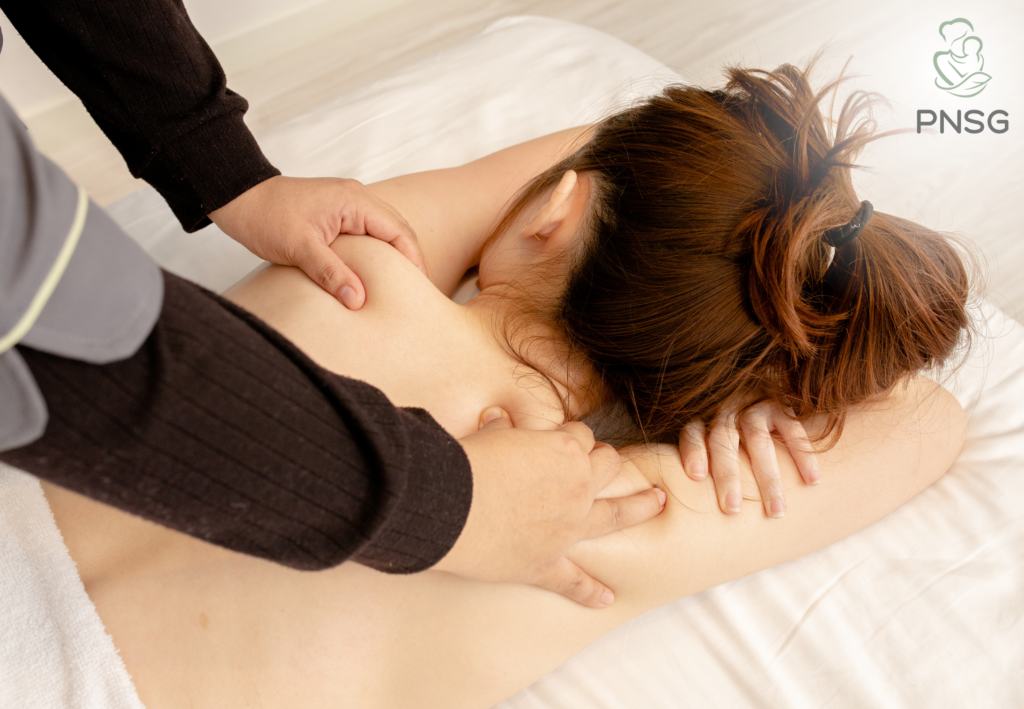
Lymphatic Drainage (Water Retention Removal)
After having a baby, many new mums find their legs swelling, a condition called water retention. Lymphatic drainage techniques are specifically used in post-pregnancy massage to address this issue.
During this session, the therapist uses light, soothing strokes to start up the lymphatic system. This system is important in helping your body get rid of excess fluid. The therapist carefully massages your legs using gentle, rhythmic movements and applies light pressure to encourage fluid movement.
This technique helps move the fluid towards parts of your body where it can be processed and eliminated naturally. The direction of the massage usually goes with your body’s blood flow, typically moving upwards towards your heart, reducing leg swelling post delivery.
Petrissage and Myofascial Release (Full Body Massage)
Carrying a baby for nine months can be challenging for your body, leaving you with various aches and pains. A full-body massage can be a great way to help with these aches.
During a full-body massage, techniques such as petrissage are used. This involves kneading your muscles to work out knots and ease tension.
Additionally, myofascial release is applied to focus on the connective tissues. This is particularly helpful for soothing soreness in areas like the lower back and hips, which are often affected after childbirth.
Gentle Abdominal Strokes (Abdomen Massage)
After you have a baby, your abdominal area needs gentle care. An abdomen massage is perfect for this. It’s a soft and caring way to support your body’s recovery. The massage helps your uterus, which gets bigger during pregnancy, shrink back to its normal size. It also helps remove lochia, the natural discharge that occurs after childbirth.
Additionally, abdominal massage is beneficial for restoring pelvic muscles that may have stretched or shifted during pregnancy back to their proper place. To ensure the best care, it’s important to have this massage done by a professional who is experienced in postnatal massage techniques. That’s why you’ll find it offered in the best postnatal massage services in Singapore.
Breast Massage Techniques
Breastfeeding is a special and important part of being a mum. Still, it can sometimes bring challenges like breast engorgement and milk flow issues. These challenges can make breastfeeding a hard and uncomfortable experience for new mothers.
In these situations, gentle breast massage can be beneficial. This involves gently massaging the breast area to ease the fullness and pain of engorgement. The massage helps promote better milk flow and lessen swelling, making breastfeeding more comfortable for the mother.
Soothing Techniques (Relaxation)
The post-pregnancy massage concludes with relaxation techniques, including gentle stretching and calming strokes. This soothes sore muscles and helps alleviate stress, headaches, and migraines. It’s a comprehensive approach to ensure that the new mother feels relaxed and rejuvenated in every sense.
Finding the Right Therapist
When you’re looking for a postnatal massage at home, it’s important to choose a therapist who is both qualified and experienced. It’s okay to ask many questions to ensure you’re comfortable and safe. Tell your massage therapist about any specific issues you have, like back pain, leg cramps, or tiredness. The more they understand your needs, the more they can make the massage perfect for you.
The best part? PNSG supports you in every part of being a mum, providing the best postnatal massage in Singapore.
Our certified therapists are trained in postnatal and prenatal massages, so we really get what your body is going through. We’ll help soothe the aches from pregnancy, lift your spirits, and get your body ready just like before.