7 Gambas Crescent, #09-09, Ark@Gambas, Singapore 757087 ♦ Reservation : +65 6417 9690

Your Emotional Ups and Downs During Pregnancy

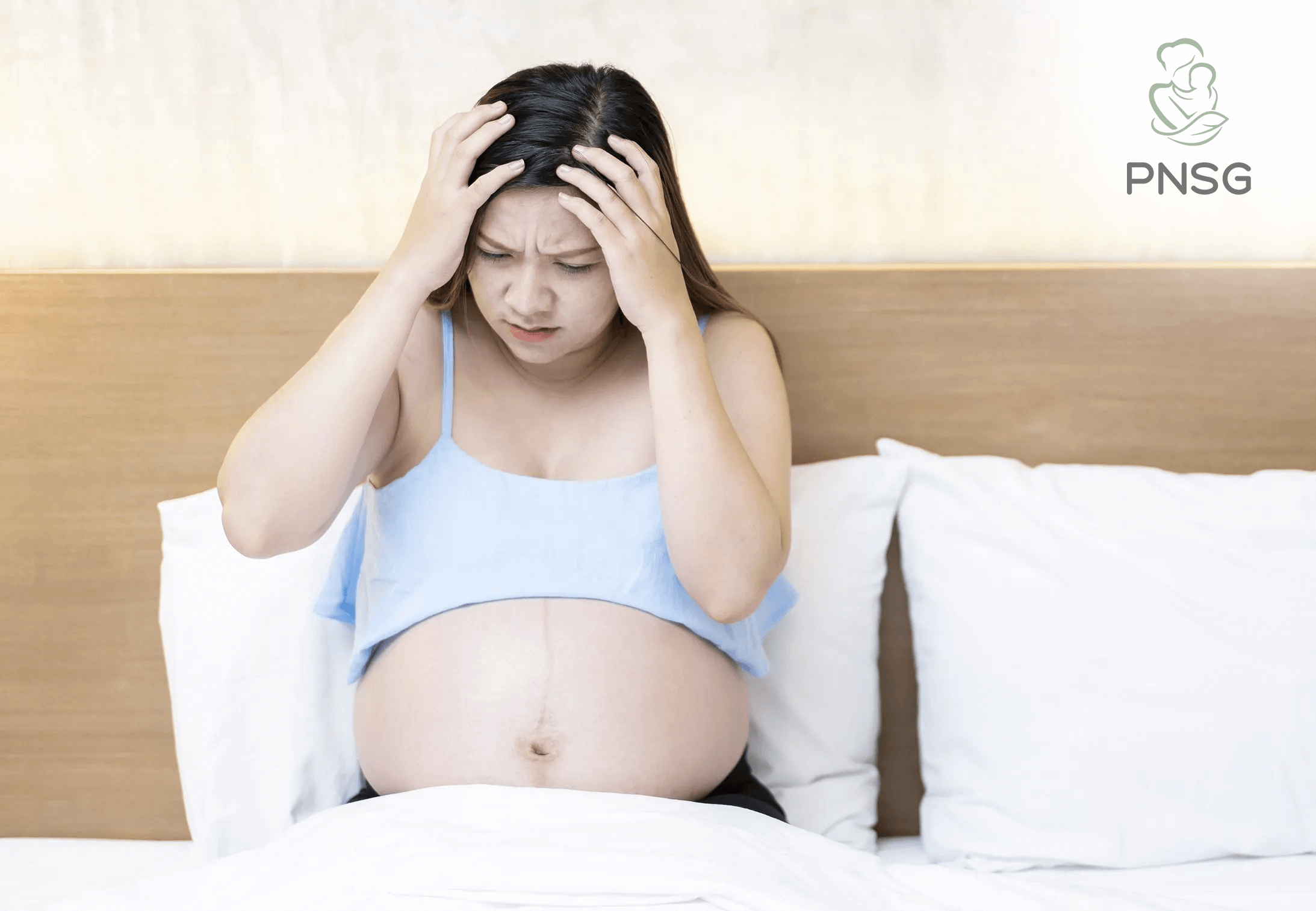
Pregnancy can bring plenty of exciting moments, from seeing your baby during an ultrasound to feeling those first little kicks. But alongside the excitement, you may also experience emotions that seem to change from one moment to the next.
One day, you might feel excited and confident about becoming a mum. The next, you may find yourself worrying about your baby’s health, feeling irritated over something small, or crying without quite knowing why.
These emotional ups and downs can happen during pregnancy. Your body is going through major hormonal and physical changes, while you’re also adjusting mentally to the idea of welcoming a baby into your life.
Understanding where these feelings come from and knowing how to manage them can make this stage of your pregnancy feel a little less overwhelming.
Why Do Emotions Change During Pregnancy?
There isn’t always one particular reason behind emotional changes during pregnancy. Often, several things are happening at the same time.
Hormonal changes can influence your mood, while pregnancy symptoms such as nausea, tiredness, body aches and difficulty sleeping may leave you feeling more sensitive or easily frustrated.
There may also be plenty on your mind. You might be thinking about your baby’s development, upcoming medical appointments, childbirth, finances, work arrangements or how life will change after your baby arrives.
With so much happening physically and mentally, it’s understandable that your emotions may sometimes feel more intense than usual.
Common Emotional Changes During Pregnancy
Every pregnancy is different. Some mums experience noticeable mood changes, while others feel relatively emotionally steady throughout their pregnancy.
Here are some feelings you may experience along the way.
1. Mood swings
Mood swings during pregnancy are one of the psychological reactions that are caused by hormonal changes. A common manifestation of it is crying. The emotional state of a pregnant woman can be influenced by the rising level of her progesterone and stress hormones. Hence, do not feel upset when you realise you or the pregnant lady around you are often weepy. A flood of hormones just triggers it.
2. Fear and Anxiety
The feeling of fear as a pregnant woman encompasses many things, such as the fear of miscarriage, failure in the childbirth process, and unable to support the whole family. It stems from the feeling of lack of control towards those possibilities. Often, fear and anxiety come in pairs, and most of the time, anxiety is triggered by the instinct to protect the baby. It can even affect your health when it interferes with your sleep.
3. Sadness
A pregnant woman might experience a feeling of sadness and tears up more often. It comes from the overwhelming feelings of going through difficulties in eating, sleeping, and daily activities. When they feel miserable and do not want to express their complex feeling, there is the possibility of depression.
What Are The Factors That May Affect These Psychological Changes?
1. Culture
Other than the internal hormone changes, one might also be influenced by her own culture. The culture and beliefs of a woman would affect her feelings during the expecting.
For example, few pregnant mums believe the culture hearsay that morning sickness relates to whether the baby likes the food. This might affect the way of taking care of the pregnancy and bring unnecessary mental disturbance.
2. Family
Besides, the family itself can influence the psychological changes during pregnancy. If the woman is loved as a child, she would have an easier time accepting the pregnancy. If not, she might take pregnancy as a source of burden. Undoubtedly, it is better if the family has a positive attitude and a growing environment.
3. Individual
More importantly, is the individual herself? It is about the ability to cope with stress. The mummy would have an easier time if she felt secure with the spouse’s relationship. Whenever she feels uncomfortable, she can talk to her better half.
Emotional Changes Throughout the Pregnancy Stages
Your emotions may also change as your pregnancy progresses.
| Pregnancy Stage | What You May Experience | What May Help |
| First Trimester | Mood swings, tiredness, feeling overwhelmed or worrying about the early stages of pregnancy | Get enough rest, talk about your worries and take things at your own pace |
| Second Trimester | Growing excitement, body-image changes or worries as pregnancy starts to feel more real | Stay gently active, make time for yourself and share how you’re feeling with people you trust |
| Third Trimester | Excitement mixed with nervousness about labour, difficulty sleeping and feeling physically uncomfortable | Prepare for birth, prioritise rest and try relaxing activities such as breathing exercises or body massage for pregnancy, where suitable |
8 Ways to Manage Emotional Ups and Downs During Pregnancy
There may not be a way to avoid every difficult emotion, but small changes to your daily routine can help you take better care of yourself.
1. Talk about how you’re feeling
Share your concerns with your partner, family, friends or someone you trust.
2. Prioritise rest
Pregnancy can be exhausting, so give your body opportunities to slow down.
3. Stay gently active
If your healthcare professional says it’s suitable for you, gentle physical activity can be a positive part of your routine.
4. Eat regularly
Balanced, regular meals can help you maintain your energy throughout the day.
5. Make time for yourself
Read, listen to music, enjoy a warm shower or simply spend some time doing nothing.
6. Try relaxation techniques
Gentle breathing exercises or mindfulness may help you relax when your thoughts feel overwhelming.
7. Ask for help
You don’t have to manage work, housework and pregnancy preparations entirely by yourself.
8. Speak to a professional when needed
If you’re struggling emotionally, don’t hesitate to discuss it with your healthcare provider.
Taking Care of Your Body and Mind
Physical comfort and emotional wellbeing often go hand in hand. When your body feels tired or uncomfortable, finding time to relax can become even more important.
Simple activities such as gentle stretching, resting, taking a warm shower or enjoying some quiet time can help you unwind.
Some mums may also choose prenatal massage packages as part of their pregnancy self-care routine. A gentle prenatal massage may help ease everyday muscle tension and provide some much-needed relaxation as your body changes.
Always check that massage is suitable for your individual pregnancy and inform your therapist about your stage of pregnancy and any medical concerns before your session.
How Can Your Partner and Family Support You?
Sometimes, what a mum needs most is simply someone who listens.
Partners and family members can support you by helping with everyday responsibilities, giving you more opportunities to rest and listening to your worries without immediately trying to solve them.
Your partner can also learn about pregnancy and childbirth with you, attend appointments where possible and discuss how you’ll share responsibilities after your baby arrives.
Even small gestures can help you feel less alone during a period of significant change.
When Should You Seek Professional Help?
Emotional ups and downs can happen during pregnancy, but it’s important not to assume that every emotional difficulty is simply caused by hormones.
Consider speaking to your doctor or another qualified healthcare professional if feelings such as anxiety, sadness, hopelessness or distress are persistent, becoming more severe or making it difficult to manage your everyday activities.
If you have thoughts about harming yourself or others, seek urgent professional help immediately.
Getting the right support matters just as much as taking care of your physical health during pregnancy.
How to Physically and Mentally Prepare Yourself Before Birth
As your due date gets closer, preparation can help you feel more confident about what’s ahead.
Learn about labour and delivery, prepare your hospital bag and discuss your birth preferences with your healthcare provider. You can also talk to your partner about how responsibilities may change after your baby arrives.
It’s worth planning for postpartum life too. Think about who can help with meals, housework or baby care during the first few weeks.
Most importantly, remember that you don’t need to have absolutely everything figured out before your baby arrives.
Preparing for Your Emotions After Giving Birth
The emotional journey doesn’t necessarily end once pregnancy does.
After childbirth, your body continues to experience hormonal and physical changes while you’re adjusting to feeding, caring for and waking throughout the night with your newborn.
Some mums experience temporary ‘baby blues’, such as feeling tearful or emotionally sensitive in the early days after birth. However, emotional symptoms that are severe, persistent or interfering with daily life should be discussed with a healthcare professional.
Having practical support and making time for your own recovery can be valuable during this transition.
Frequently Asked Questions
Are mood swings normal during pregnancy?
Mood changes can occur during pregnancy due to hormonal changes, tiredness, physical discomfort and the many adjustments that come with preparing for a baby.
When do pregnancy mood swings start?
They can occur at different stages. Some women notice emotional changes early in pregnancy, while others experience them more strongly later on.
Why do I cry so easily during pregnancy?
Hormonal changes, tiredness, stress and feeling overwhelmed may make you feel more emotionally sensitive than usual.
Can prenatal massage help me relax?
Prenatal massage can provide an opportunity to rest and relax while helping to ease everyday muscle tension. Make sure the treatment is suitable for your pregnancy and provided by an appropriately trained therapist.
When should I speak to a doctor about my emotions?
Speak to a healthcare professional if emotional changes are persistent, severe, getting worse or interfering with your everyday life.
Make Time for Yourself During Pregnancy
With appointments to attend, baby essentials to prepare and so many changes happening at once, it’s easy to forget that Mum needs care too.
If you’re looking for a simple way to add more relaxation to your pregnancy routine, PNSG Prenatal Massage brings the experience directly to your home. With trained therapists and a gentle approach designed with mums-to-be in mind, you can enjoy some well-deserved me-time without having to travel out for your session.
Whether it’s taking a quiet afternoon to yourself, getting more rest or enjoying a relaxing prenatal massage, small moments of self-care can make your pregnancy journey feel a little more comfortable.
Give yourself some time to rest, recharge and enjoy the journey before your little one arrives. Check the prenatal massage prices now.
Closing Words
Pregnancy isn’t always nine months of excitement and glowing happiness. There may be days when you feel joyful and confident, and others when you’re tired, worried or simply not feeling like yourself.
Rather than expecting yourself to enjoy every moment, focus on taking care of your body and emotional wellbeing one day at a time.
Rest when you need to, talk about what you’re feeling and accept support from the people around you. And whenever your emotions become difficult to manage, remember that professional support is available.
Your wellbeing matters throughout pregnancy – both physically and emotionally.