7 Gambas Crescent, #09-09, Ark@Gambas, Singapore 757087 ♦ Reservation : +65 6417 9690

How Should I Adjust My Active Lifestyle During Pregnancy?
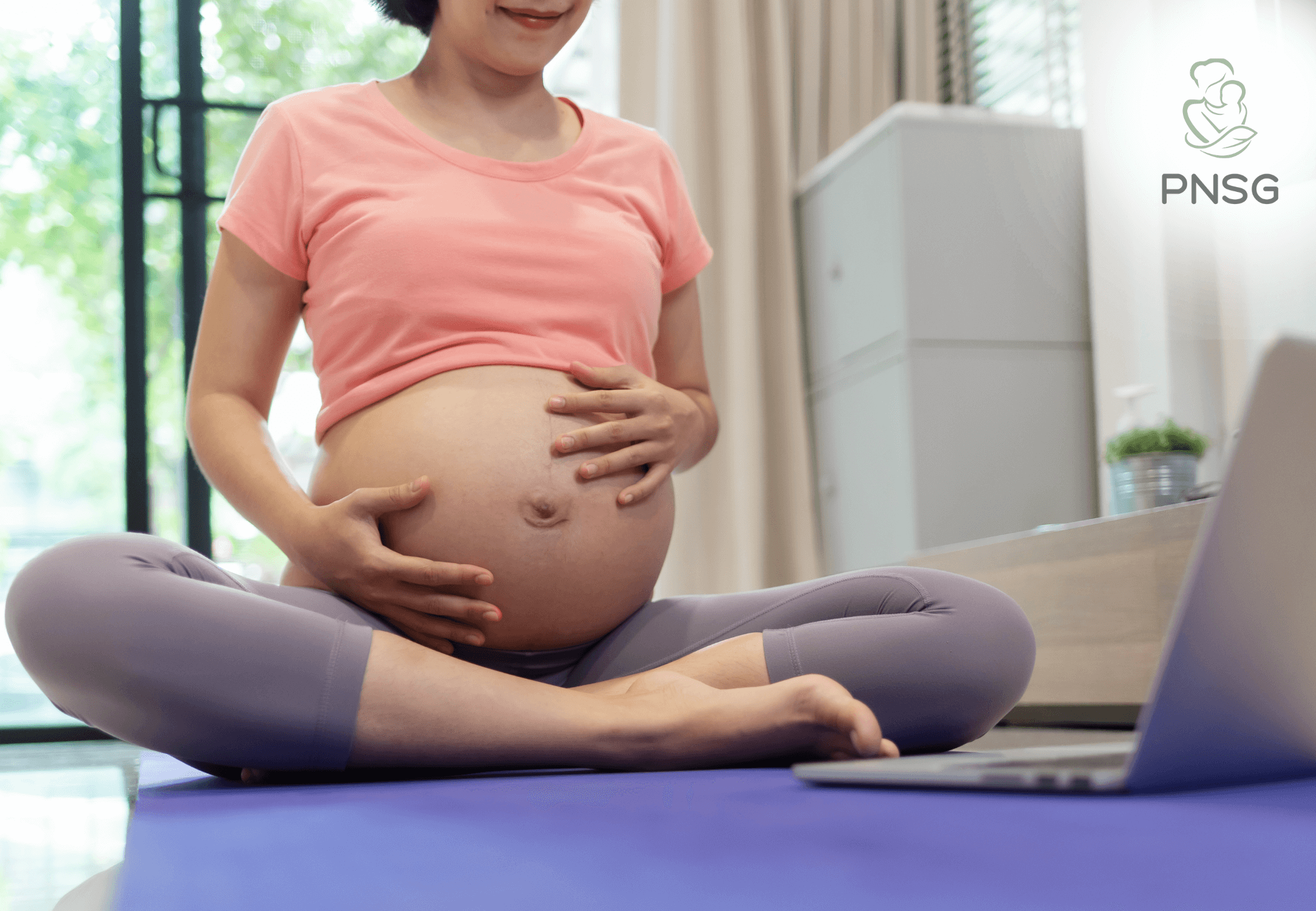
Pregnancy is a significant stage in the life of a woman, it is an emotional roller coaster to witness the growth of another life inside your body from when you first conceived to delivery. As your baby bump grows throughout your pregnancy, so does your routine and the things you can do, especially when it comes to your active lifestyle. Can you still exercise? Can you dance or carry on with your gym activities? What activities are safe for you and what are not? Don’t think about it too much because we have got your back! This is how you can adjust your active lifestyles during pregnancy.
Benefits of Exercising During Pregnancy
Well, the surprising fact about pregnancy is that it can be a great time for you to be active! Yes, that’s right. Exercises are great as a part of prenatal and post natal care, which the intensity depends on your overall health and fitness level. How would exercises prepare you for your delivery and maintain your health? Here are a few key benefits:
- Relieve Pregnancy Back and Pelvic Pain: As your growing baby adds more pressure on your back and your lower body, you tend to struggle with lower back and pelvic pain, and exercising may help you to ease these discomforts.
- Potentially Prevent Pregnancy and Delivery Complications: Based on a study by BMJ in 2017, pregnant women who joined fitness programs have a lower risk of developing gestational diabetes and going through unplanned cesarean section delivery. Meanwhile in a separate study in Spain, exercising during pregnancy has been found to help the mother and the baby to maintain a healthy weight, and reduce the risk of delivery complications due to being overweight.
- Relieve Pregnancy Constipation: Pregnancy hormones slow down the movement of your bowel muscles, which often result in pregnancy constipation. By maintaining an active lifestyle during pregnancy, you can improve your bowel movements and relieve pregnancy constipation.
- Improve Sleep Quality: It’s no secret that pregnant women tend to face problems with falling and staying asleep due to the physical and emotional changes of pregnancy. Maintaining a consistent exercise routine during pregnancy can help you to fall asleep easier and improve the quality of your sleep.
- Boost Your Mood and Energy: Pregnancy can bring overwhelming stress and worry for some mothers. Staying active during pregnancy helps improve your mood by releasing “feel-good” hormones called endorphins. Meanwhile, exercising during pregnancy can help you to fight fatigue and boost your energy levels.
- Speed Up Postpartum Healing: Lastly, the benefits of exercising goes beyond your pregnancy stage as it can help facilitate your postnatal recovery too. Being physically fit during pregnancy ease your movements after childbirth and would help you to recover faster.
Safe Exercises for Different Stages of Pregnancy
Now that you know how exercising during pregnancy benefits you, it’s important to keep in mind that exercising safely matters too. As you thread further into pregnancy, you would notice that your mobility and ability to exercise reduces over time. Thus, what are the kinds of exercises that would suit every stage of pregnancy? This shortlist might give you an idea. Before you start, be sure to refer to a professional to make sure that you are doing these exercises with safe and correct postures.
First Trimester:
- Weighted march
- Plank
- Modified plank
- Forward lunges
Second Trimester
- Kneeling hamstring curls
- Modified side planks
- Triceps kickbacks
Third Trimester
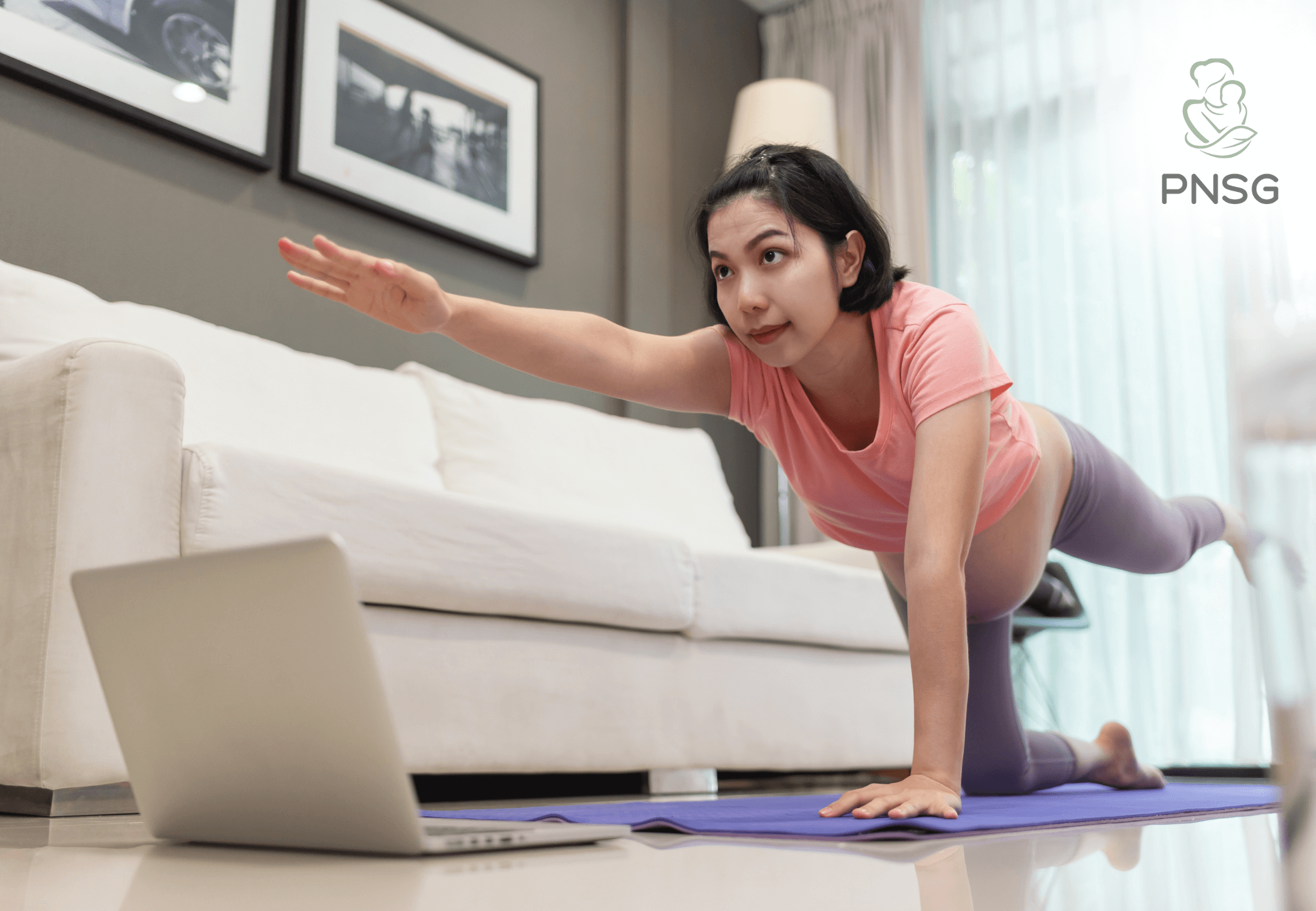
- Cat or Cow yoga positions
- Modified Superman
- Side-lying clams
Exercising is one of the main practices that can help you achieve a healthy pregnancy and smoother delivery. On the other hand, the right products can ease your daily life after childbirth too! If you are looking for the best products for newborns and mothers, MumChecked would be a good start with their wide-ranging choices and exclusive deals!
Things to Take Note with Pregnancy Exercise
Now that you have learnt about the benefits and which exercises to practice during your stages of pregnancy, it is also wise to know your limits when exercising during pregnancy.
You should adjust your exercises based on your doctor’s advice and take any of your prescribed supplements on a regular basis. This is important to prevent your body from overworking and the prescribed supplements would help to ensure you are properly nourished with all the essential nutrients.
As your baby bump grows bigger, you should refrain from lifting heavy objects altogether. This is important because lifting heavy objects would expose you to the risk of a prolapsed uterine and weaken your pelvic muscles. In addition, you should stay away from full-contact sports or exercises which require rigorous movements as you are near your expecting date of delivery.
Take A Break
As much as exercising during pregnancy is good for you, remember to do it with moderation too. Depending on your body condition, give yourself a break from exercising for at least 1 to 3 days a week. Meanwhile, you can consider getting yourself a pregnant massage at home during your rest days. Being a popular therapy for mother care Singapore women trust, pregnancy massage or prenatal massage helps to relieve muscle soreness, back pain, and leg cramps, and promotes relaxation.
The Takeaway
At the end of the day, you are always encouraged to exercise for better health and a pleasant pregnancy experience. The key is to always keep tabs on your own wellbeing after you perform them and to always exercise in moderation. Wishing you a healthy pregnancy and smooth delivery, mummies!